Mark Ritson, in his analysis of fifty years of Effie Awards winners, distills the essence of marketing effectiveness by examining thousands of case studies from some of the world’s most successful brands. His insights, rooted in both data and decades of practical observation, offer a roadmap for marketers seeking to drive real business impact.
The blueprint of a perfectly effective campaign
Ritson outlines what the “ideal” marketing campaign looks like, based on patterns across the most effective Effie-winning cases:
- Thorough Diagnosis: begin with qualitative and quantitative research to truly understand the market situation.
- Clear Strategic Objectives: set a small number of focused, benchmarked goals.
- Balanced Approach: combine long-term, brand-building mass marketing with short-term, targeted performance campaigns.
- Distinct Positioning: anchor the campaign with a tight, differentiated brand position.
- Consistent Execution: codify execution so the brand is instantly recognizable and distinctive.
- Investment in Share of Voice: outspend competitors to grow market presence.
- Creativity as a Catalyst: let bold, creative ideas drive everything.
- Integrated Channels: spread creativity across multiple channels for seamless integration.
Core principles of Marketing effectiveness
1. Multiplicative process
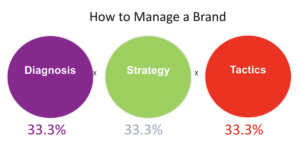
Effectiveness is not about excelling in just one area. Diagnosis, strategy, and tactics multiply together. Weakness in any one undermines the whole. Marketers don’t need perfection, but must avoid major gaps.
2. The strategic backbone
Strategy remains timeless and simple:
- Who are we targeting?
- What is our brand position?
- What are our campaign objectives?
Focusing on fewer segments, a clear position, and limited objectives leads to greater effectiveness. Strategy, Ritson reminds us, is as much about what we don’t do as what we do.
3. The power of brand fame
The most successful brands share:
- High salience
- Distinctiveness
- Strong differentiation (not always by attribute, but by degree)
- Deep cultural meaning
Brand fame, built on these pillars, is a recurring theme among Effie winners.
4. The importance of courage
Effective marketing requires boldness – big insights, big strategies, and big ideas, delivered at scale. Playing small and incremental leads to failure. Ambition is essential.
5. The value of time
Nearly all winning campaigns are long-term stories. The best marketers maintain strategic consistency over decades, evolving tactics but staying true to the brand’s core. Impatience and frequent shifts undermine effectiveness.
6. The enduring role of TV
Despite predictions of its demise, TV remains central to effective campaigns. Eight out of nine top Effie cases used TV as the backbone of their media mix, including digital-first brands. TV’s broad reach and emotional impact are still unmatched.
7. Evidence-based Marketing
The Effie Awards themselves have driven the industry toward greater effectiveness and evidence-based thinking. Ritson stresses that while tactics have evolved, the fundamental challenges of marketing – understanding consumers, targeting, positioning, and setting objectives – remain unchanged.
Key takeaways:
- Balance long-term brand building with short-term activation.
- Invest in distinctiveness and fame.
- Be courageous and ambitious in strategy and execution.
- Stay the course – consistency over time pays off.
- Don’t abandon proven channels like TV.
- Let evidence, not fashion, guide your decisions.
“The core challenges and the lessons we can learn from half a century of effectiveness remain the same… The execution might have altered but the fundamentals endure.”
— Mark Ritson